

What the Hardest Courses Teach You

Founder & CEO
The hardest courses in golf do not beat you with length or complexity, they make you face yourself. They take whatever you are carrying into the round, whether it be impatience, ego, or the instinct to force things, and they find it, usually by the third hole, and they make you pay for it the rest of the day.
The US Open is built around exactly that idea. Most golf tournaments reward the player who makes the most birdies. This one wants to know who can hold their game together when the conditions turn against them, when par starts to feel like a victory, and when the smartest decision available is also the least satisfying one.
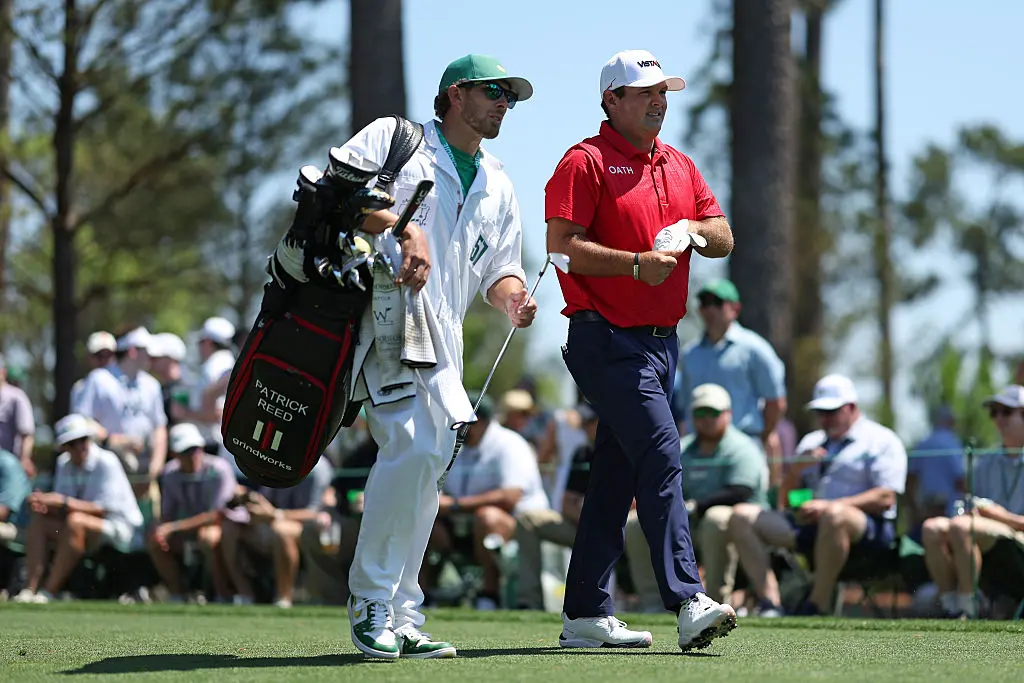
Patrick Reed tees off there this week, and I am proud to say that Oath’s partnership with him has continued since the Masters in April. He arrives in some of the best form of his career, and watching him compete at a course this unforgiving is its own kind of education.
What the US Open asks of a player is judgment. Specifically, the judgment to choose the right shot rather than the impressive one, to accept a quiet par when conditions call for it, and to stay disciplined when discipline feels like surrender. The players who win here are almost never the ones who tried to take the course apart. They are the ones who managed it patiently for four days while everyone around them stopped doing that.
I think about this when I think about the people we work with at Oath. The ones who arrive at retirement in the strongest position are rarely the ones who made the most aggressive moves at every turn. They are the ones who played the course they were actually on. Who stayed the course in the years when staying the course felt like falling behind. Who made the undramatic decision, again and again, because they understood that the undramatic decision was the right one.
Sound planning is not always exciting to talk about. Neither is a well-managed par on a Sunday at the US Open. But over time, across enough holes and enough years, those decisions accumulate into something that the flashier approach almost never produces.
The hardest courses do not teach you how to be more aggressive. They teach you that knowing when not to be is the harder and more valuable skill. I’ll be rooting for Patrick this weekend, watching him play yet again with Oath on his shirt, curious what this course asks of him and how he answers it.
Life is short. Play long.
Founder & CEO
Plan for tomorrow and live with more joy today.
We help you plan better so you can live life to the fullest today. Talk with an Oath attorney or financial advisor about your estate or retirement needs.
Schedule Call


